
Blog
Why Garage Door Springs Fail Early in San Tan Valley
Most San Tan Valley garage doors went up between 1990 and 2004. Here's why that build era, paired with severe desert heat, is why springs fail here the way they do.
The Situation
Most houses in this service area went up between 1990 and 2004, with the median build year sitting right at 1996. That's not a small detail. A torsion spring has a working life measured in cycles, not years, but years still matter because heat and dust don't stop working on steel just because the door hasn't been used. A spring installed when a house was framed in the mid-90s is now closing in on three decades of sun exposure on the garage wall it hangs from.
What we see on calls is rarely a spring that snapped out of nowhere. It's a spring that's been losing tension slowly, stretching unevenly, or rusting at the coil ends where moisture collects, and the owner only notices when the door won't lift all the way or the opener strains and reverses. With 28,167 owner-occupied houses across this area sharing roughly the same construction window, a lot of them are sitting on hardware that's aged out at close to the same time.
This isn't a scare story. It's a timeline. If your house falls in that 1990-2004 band and nobody's touched the springs, the odds the originals are still doing their job well are lower than they were five years ago.
What to Look At First
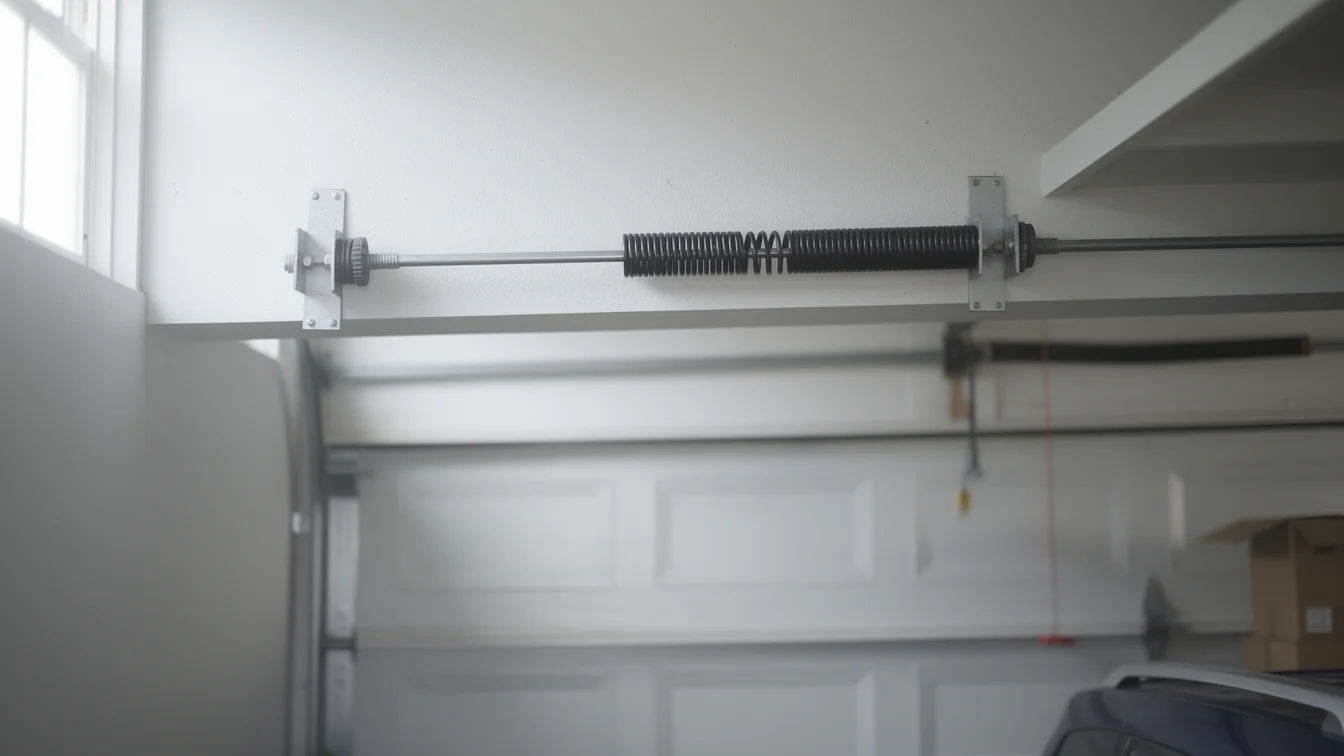
Before you call anyone, look at the spring itself - there are usually two, mounted above the door on a torsion bar, or one on each side for older extension setups. Check for a visible gap in the coil where it shouldn't be, rust bleeding down from the ends, or a spring that looks stretched compared to its twin. Uneven gaps between coils on one side versus the other is an early sign of fatigue, not something to wait on.
Next, check the cables running down into the tracks. Frayed strands near the bottom bracket mean the cable is close to going, and a cable failure under spring tension is not a gentle event. Look at the bottom corners of the door too - rust or wood rot at a steel reinforcement bracket is common on doors from this build era and it changes how much load the spring is actually carrying.
If the door feels heavier than it used to when you lift it manually with the opener disconnected, that's the spring talking, not the opener. An opener motor straining to lift a door that's lost spring tension will burn out early trying to make up the difference, and that's a second repair stacked on the first one.
How Local Conditions Play In
San Tan Valley sits in a climate band classified as severe heat, and that heat is the real driver behind spring wear here, more than age on its own. Heat breaks down the lubricant packed into the coil faster than it would in a milder climate, and repeated expansion and contraction as the garage swings between a scorching afternoon and a cooler night works the metal in a way that accelerates fatigue. A spring rated for a given number of cycles in a lab doesn't see lab conditions in a San Tan Valley garage.
Across the six named areas that make up most of the local housing stock - largely 1980s and 90s construction - this plays out the same way house to house, because the hardware and the heat exposure are consistent. It's part of why we see clusters of similar spring calls rather than isolated one-offs.
If you're in one of the surrounding communities - Johnson Ranch, San Tan Heights, or Copper Basin, all within a few miles - the same build era and the same heat band apply, so the same wear pattern shows up on those doors too. Distance from the center of town doesn't change what the climate does to steel.
Leaving It Alone
Not every spring issue needs same-day attention. A little surface rust on a spring that's still holding tension evenly is something you can watch for a season. What doesn't wait is a spring that's already gapped unevenly, a door that's started dropping fast on one side, or cables showing frayed strands - those are failure-in-progress, not cosmetic.
Here's the honest limit: we don't recommend re-tensioning a 25-plus-year-old spring just to squeeze another year out of it. At that age, on a door from the 1990-2004 build window, the metal's fatigue is already baked in, and a re-tensioned old spring is still an old spring. Replacement is the straightforward call there, not a repair we'd stretch out.
At a median household income of $63,545 across this area, most owners we talk to are weighing a spring job against the cost of a full opener replacement, not treating either as disposable. That's a reasonable way to think about it - a spring repair done once, correctly, on both springs at the same time, is cheaper over ten years than letting one go and replacing it twice. If you want someone to look at what's actually happening on your door before you decide anything, that's a conversation worth having.
Questions
Common questions
How old do garage door springs usually get before they need replacing in San Tan Valley?
It depends on use, but houses here mostly date from 1990 to 2004, so a lot of original springs are now 20 to 30 years old. Combined with the severe heat this area sits in, that age range is where we start seeing uneven coils, rust at the ends, and tension loss show up on calls.
Why does my garage door feel heavier in summer?
Heat softens the lubricant inside the spring coil and the metal itself behaves differently as it heats and cools through the day. On a door with an older, fatigued spring, that shows up as the door feeling noticeably heavier to lift by hand, especially in the hottest part of the afternoon.
Should I replace one spring or both at once?
If your door has two springs and one is failing, the other is almost always close behind - they're the same age and have seen the same heat exposure. We'd rather do both in one visit than have you call back in a few months for the second one.
Recommendation
You Might Also Like
More garage door guides for San Tan Valley homeowners.
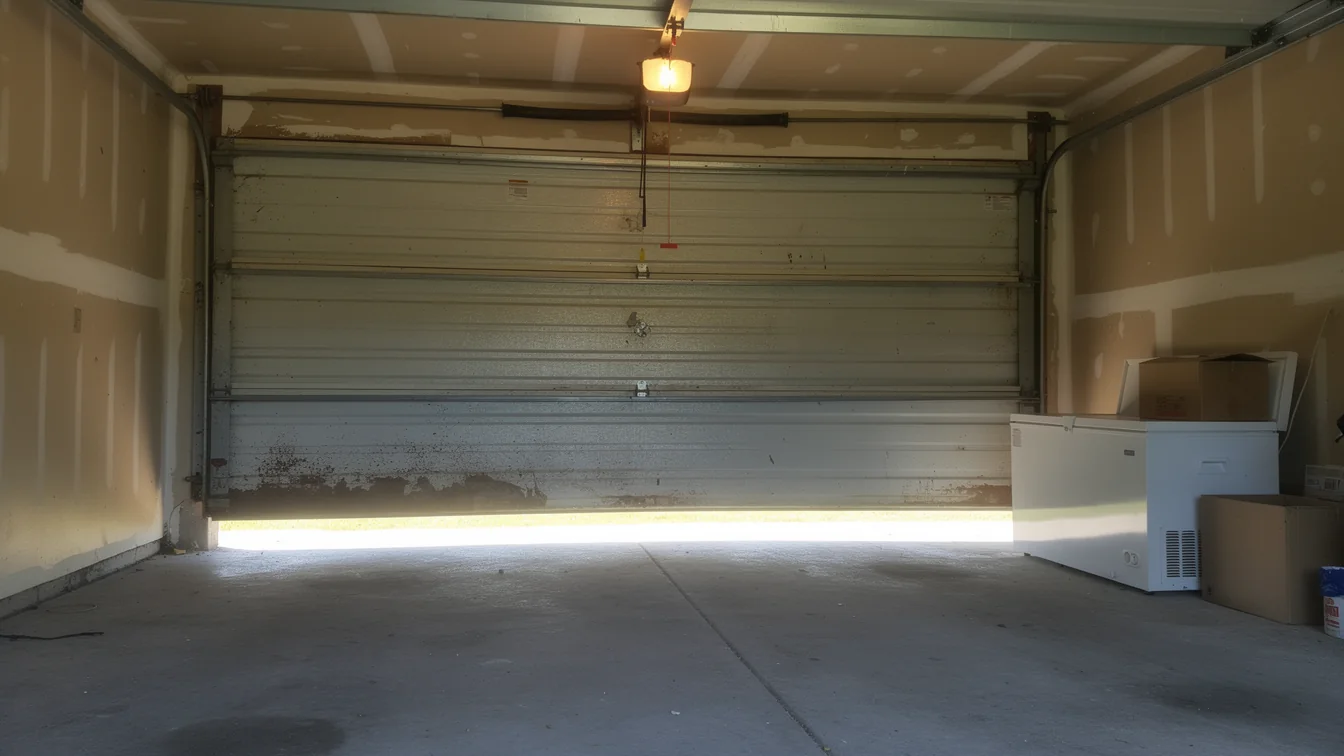
Why Your San Tan Valley Garage Door Was Never Built for This Heat
Most San Tan Valley homes went up between 1990 and 2004, before garage doors were built to any insulation standard.
Read guide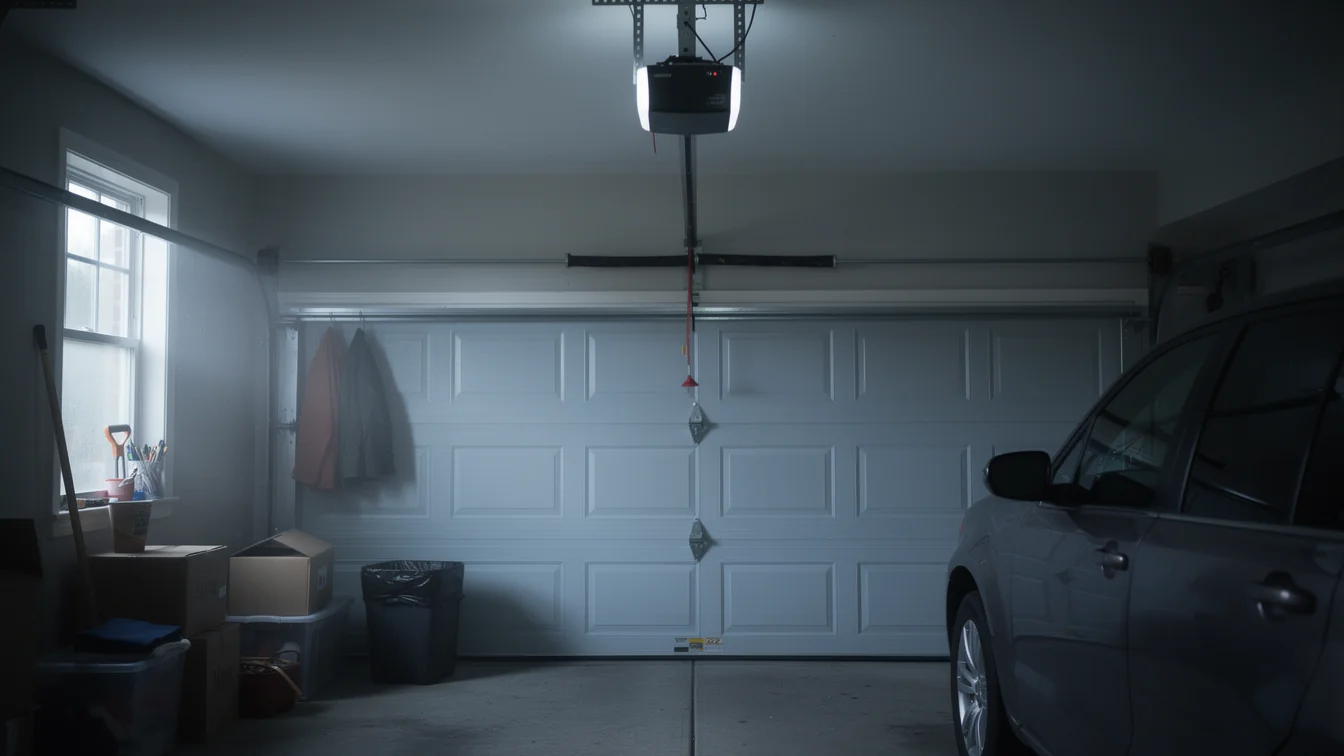
Openers, Power Cuts, and the Houses Built Here Between 1990 and 2004
San Tan Valley homes built 1990-2004 and severe summer heat put real strain on garage door openers during power cuts.
Read guide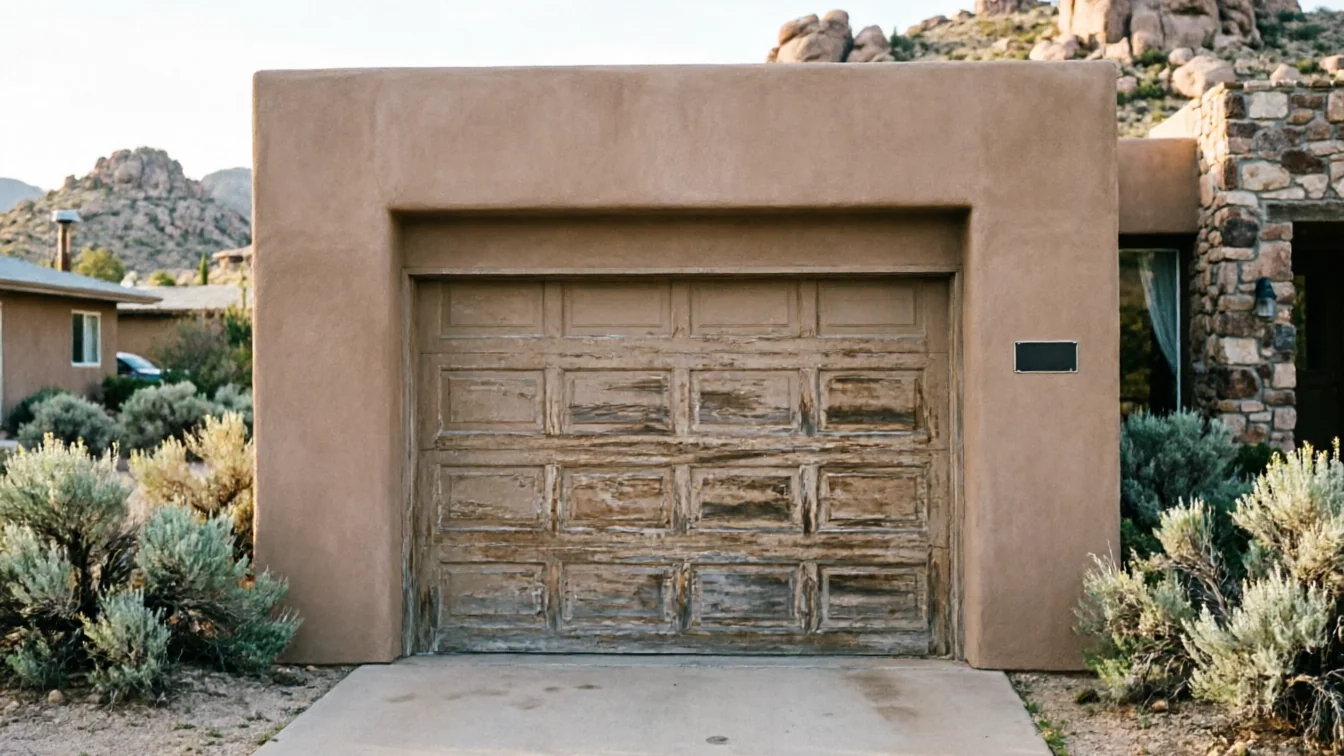
Is Your Older Garage Door Worth Fixing or Replacing
Most San Tan Valley homes date to the 1990s and early 2000s.
Read guideReady when you are
Need a garage door sorted in San Tan Valley?
San Tan Valley Garage Door Pros repairs and installs garage doors, springs and openers in San Tan Valley, AZ and the surrounding area.