
Blog
What a Service Call Actually Covers in San Tan Valley
A San Tan Valley garage door service call covers more than the noisy part. Here's what techs check first, and why 1990s-era homes need different attention.
The Situation
Most houses here went up between 1990 and 2004, with the median sitting around 1996, which puts the original springs and openers right at the edge of their service life. Six named pockets of the area carry 1980s and 90s stock, Johnson Ranch and San Tan Heights among them, each with the same era hardware. Across the 44,678 households in the service area, 28,167 are owner-occupied houses, most of them built in that same 15-year window. With a median household income of $63,545, most calls we get are repair-first, not full replacement, and a service call usually starts with figuring out whether the door is worth fixing or whether the opener and springs have simply run out their years. A lot of homeowners call because the door is loud or slow, not because anything has actually broken yet, and that's the right time to call, before a cable snaps or a spring lets go under load.
What to Look At First
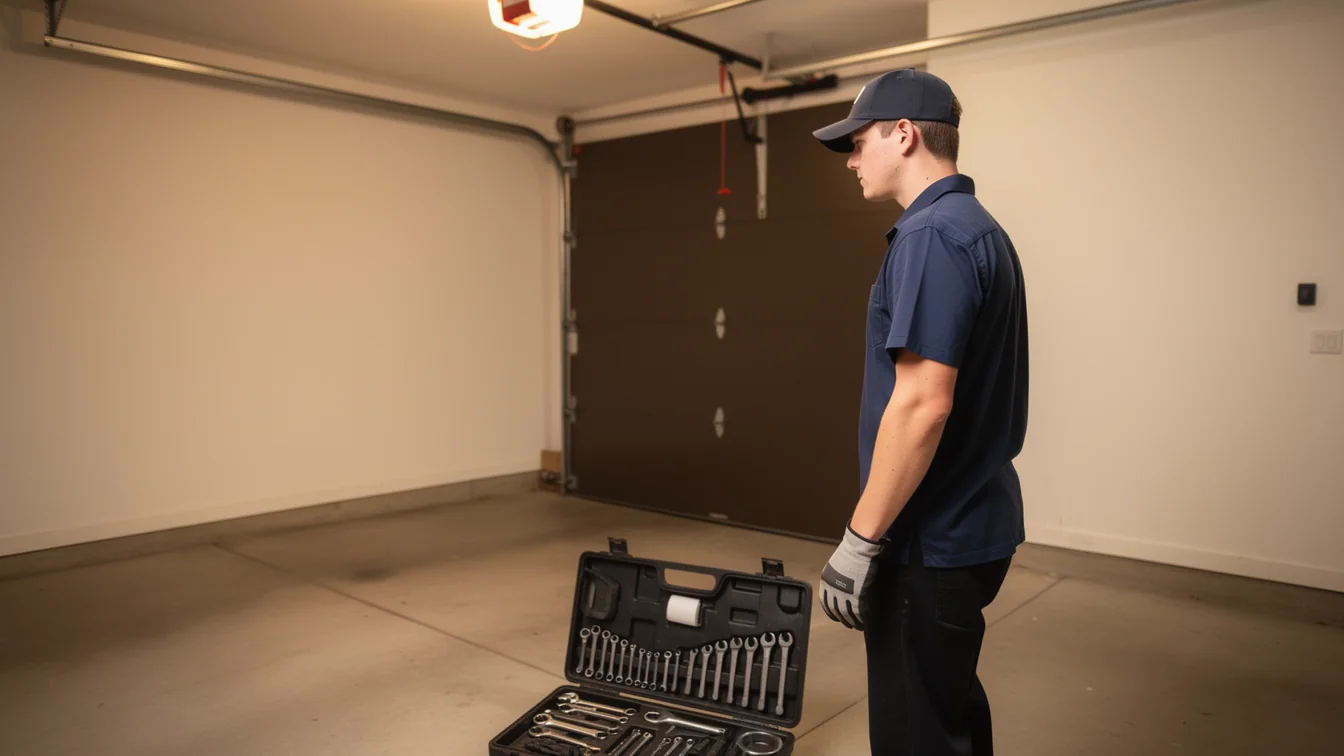
On a service call we start at the spring, not the opener, because a worn torsion spring is what makes everything downstream feel wrong: the opener strains, the chain slips, the door seems heavy by hand. On homes from the early-to-mid 1990s build era, that's usually original hardware, and 25 to 35 years is about what a torsion spring gives you under regular cycling. Next we check the rollers and track alignment, since galvanized rollers from that era wear unevenly and throw the door off its rails before anyone notices a problem. Cables get a visual pass for fraying at the bottom bracket. Last is the opener itself: the logic board, the drive gear, and whether the safety reversal still works the way code requires. None of this is guesswork done over the phone. It's a hands-on look at the actual hardware on the actual door, which is the only way to tell a ten-minute adjustment from a job that needs parts ordered.
How Local Conditions Play In
San Tan Valley sits in a severe heat band, and that heat is hard on lubricant and plastic opener housings faster than it is in milder climates. Grease on rollers and hinges breaks down and gums up with dust instead of staying slick, which is part of why doors here start grinding years before you'd expect from the manual. Opener circuit boards and sensor eyes also take a beating sitting in a hot garage for months at a stretch, and that shows up as intermittent closing failures rather than a clean break. We factor that into what we check on a call, and it's a different checklist than you'd run in a cooler climate. Johnson Ranch, two miles south, and San Tan Heights, two miles west, share the same build era as the rest of the valley, so the heat-plus-age combination isn't limited to one pocket of town. It's the baseline condition we're working against on nearly every call out here.
Leaving It Alone
Here's the honest part: not every noisy door needs a truck roll. If a door is original to a 1996-era build and the spring is still sound, sometimes the fix is lubrication and a track adjustment, not a parts replacement, and we'll say so even if it's a shorter invoice. On the other end, if the opener's logic board is failing and the unit is original to the house, we won't keep patching a board that's aging out along with everything else on it - replacement is the honest answer there, and we'll tell you that instead of running up small repairs on a unit that's done. What we don't do on a basic service call is diagnose structural issues with the garage framing itself; that's outside the scope of a door and opener call and needs a different trade. If a part isn't something we carry on the truck for an older opener model, that can mean a short wait on parts, and we won't pretend otherwise.
Questions
Common questions
How old does my garage door opener have to be before it's worth replacing instead of repairing?
It depends more on condition than a strict number, but openers original to houses built in the 1990 to 2004 window are commonly at or past the point where board failures and worn drive gears make repair cost close to replacement cost. We check the specific unit on the call before recommending either way.
Why does my door feel heavier in summer?
Heat affects lubricant on rollers and hinges, and in this climate band that breakdown happens faster than in milder regions. Dried-out grease picks up dust and grit, which adds resistance the opener has to fight against. A service call checks lubrication and roller condition together.
Do you serve areas outside San Tan Valley itself?
We work across the surrounding service area, including Johnson Ranch, San Tan Heights, Copper Basin, and out toward Florence, Apache Junction, and Anthem at Merrill Ranch. If you're unsure whether your address is covered, ask when you call.
Recommendation
You Might Also Like
More garage door guides for San Tan Valley homeowners.
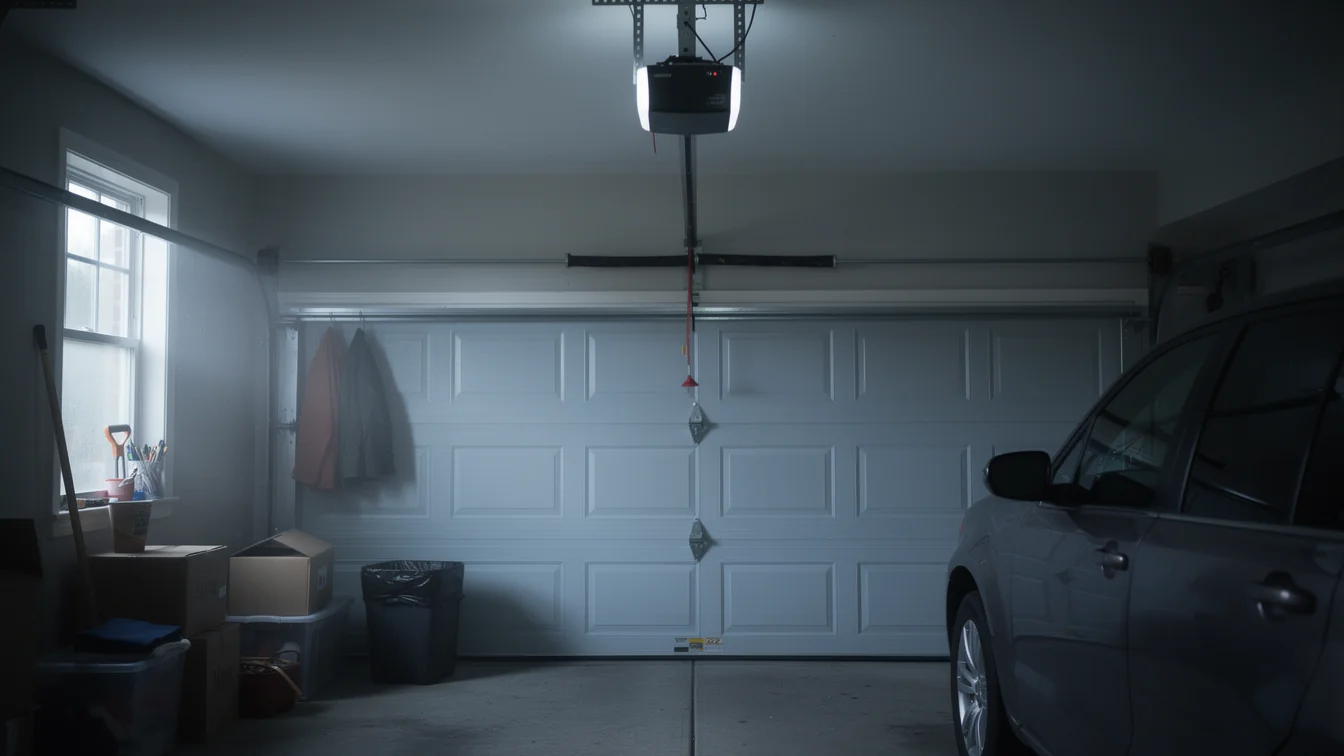
Openers, Power Cuts, and the Houses Built Here Between 1990 and 2004
San Tan Valley homes built 1990-2004 and severe summer heat put real strain on garage door openers during power cuts.
Read guide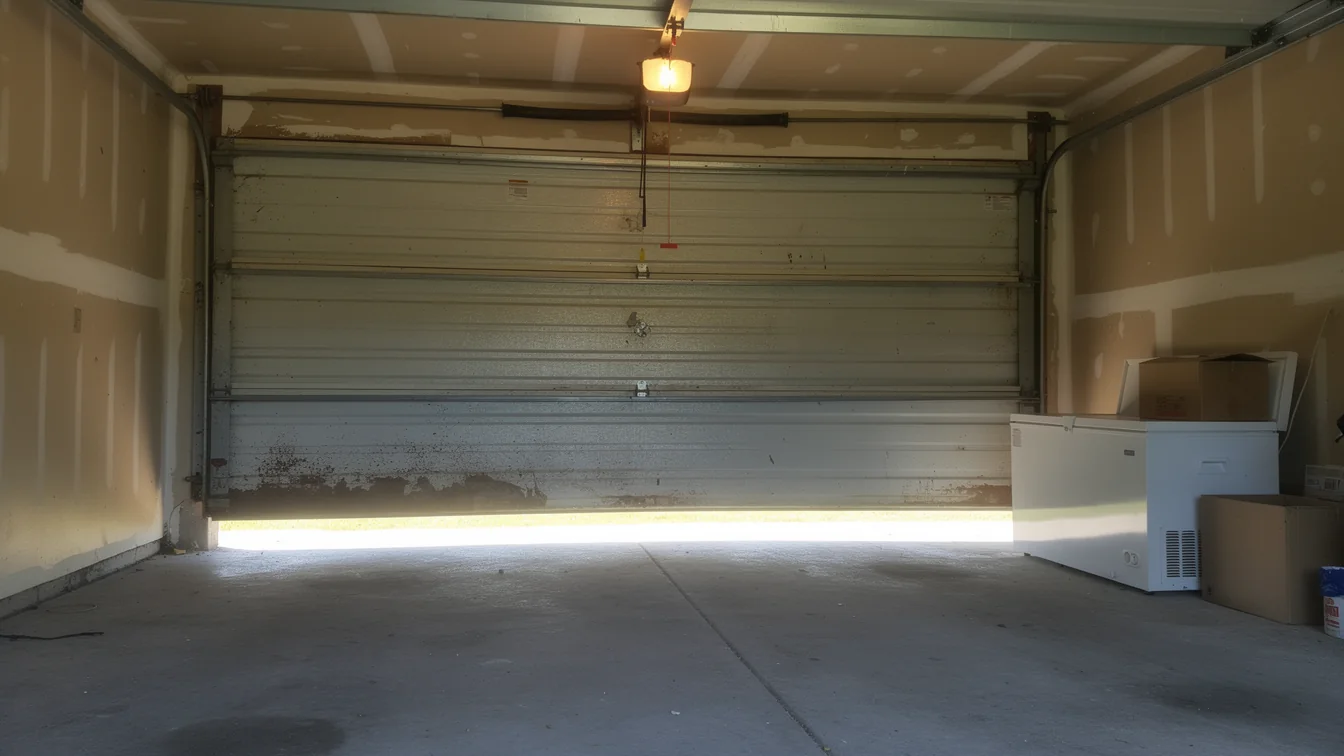
Why Your San Tan Valley Garage Door Was Never Built for This Heat
Most San Tan Valley homes went up between 1990 and 2004, before garage doors were built to any insulation standard.
Read guide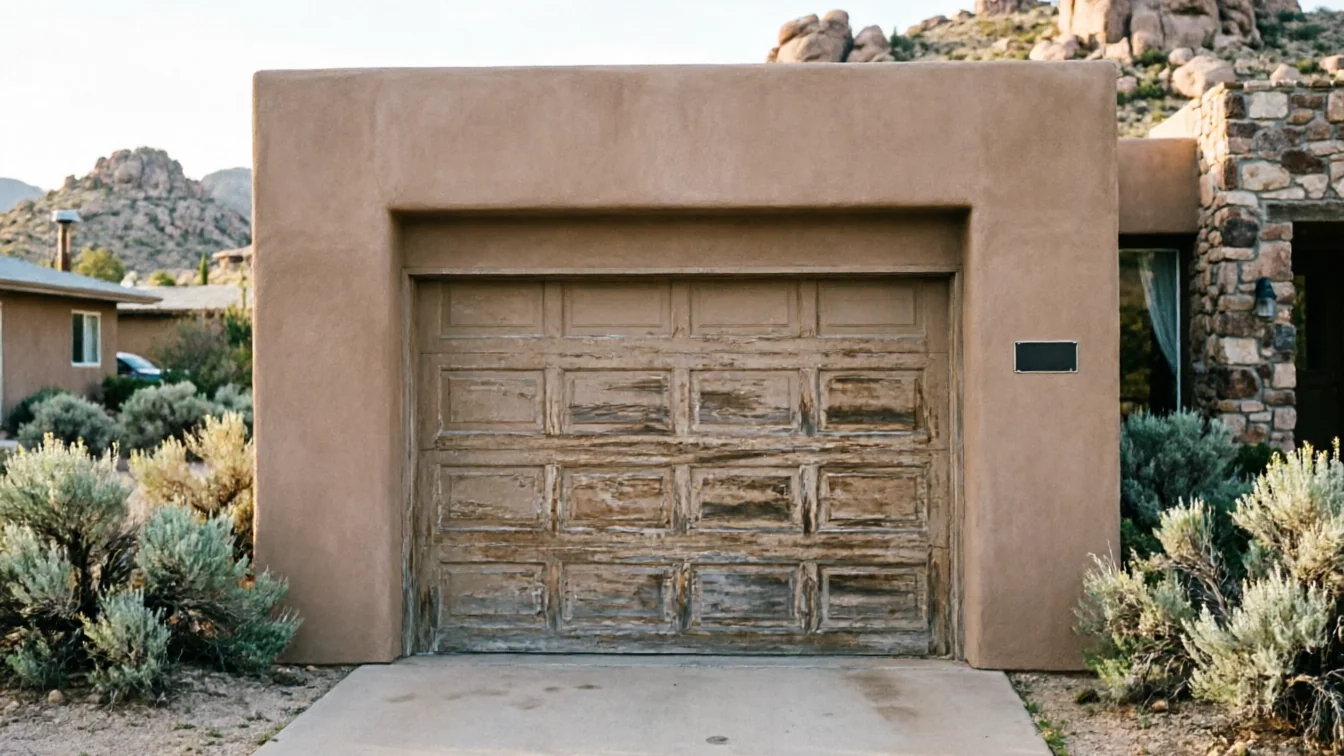
Is Your Older Garage Door Worth Fixing or Replacing
Most San Tan Valley homes date to the 1990s and early 2000s.
Read guideReady when you are
Need a garage door sorted in San Tan Valley?
San Tan Valley Garage Door Pros repairs and installs garage doors, springs and openers in San Tan Valley, AZ and the surrounding area.