
Blog
Is Your Older Garage Door Worth Fixing or Replacing
Most San Tan Valley homes date to the 1990s and early 2000s. Here's how to tell if your original door and opener are worth repairing or past it.
The Situation
Most houses in this part of the valley went up between 1990 and 2004, with the median build year sitting around 1996. That means a big share of garage doors out here are the original units - steel sectional doors on torsion springs, paired with openers that are now pushing twenty-five to thirty-five years old. Some of the older pockets nearby, including stretches that match the 1980s-90s housing common across the six main areas of town, are even further along in that clock.
A door that age has usually been through a few spring replacements already, maybe a cable, maybe a roller set. The question homeowners ask isn't whether the door is old - they know that - it's whether the next repair bill is the last reasonable one before the whole unit needs to come out. That's a fair question, and the answer depends more on what's actually wrong than on the birth year stamped on the opener's warranty card.
What to Look At First
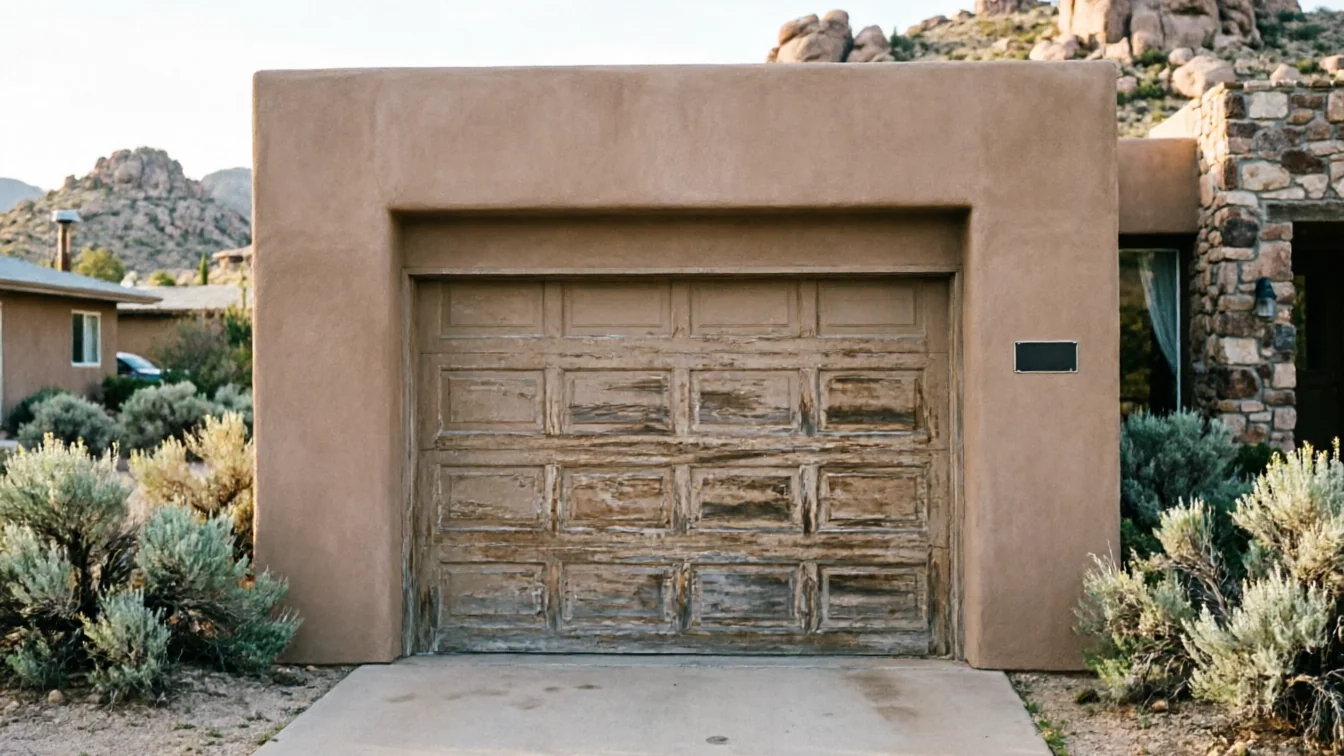
Start with the panels, not the mechanics. Steel panels from the 1990s don't flex or dent the way thinner modern stock does, so if yours are straight and the bottom panel hasn't rusted out from standing water, the shell is probably fine. What fails first on a door this age is almost always the moving hardware: torsion springs lose tension on a predictable cycle, nylon rollers crack, and the opener's drive gear or circuit board gives out from heat cycling, not age alone.
Check the track alignment next. Decades of expansion and contraction can walk the vertical tracks out of true, especially on doors that were installed when the house was built and never touched since. If the door still runs straight on the track and the springs are the only thing asking for attention, that's a repair, not a replacement. If the opener is dead, the springs are gone, and the bottom panel is rusted through, you're not fixing a door at that point - you're rebuilding one panel at a time, and the labor adds up faster than a new unit.
How Local Conditions Play In
San Tan Valley sits in a severe heat climate band, and that matters more to a garage door than most people expect. Heat doesn't just wear out rubber seals and weatherstripping faster - it cycles the steel torsion springs through expansion and contraction every single day, which shortens their working life compared to a spring in a milder climate. An opener's logic board living in a garage that regularly tops 120°F in summer also fails earlier than the same board would in a cooler region.
This is part of why a door built in 1996 might still have a serviceable shell but a opener and spring set well past due. The heat hits the moving and electronic parts hardest, not the sheet metal. So when you're deciding what's worth fixing, weight the decision toward components that take the daily heat cycling - springs, openers, seals - over the panel steel itself, since that's where this climate actually does its damage.
Leaving It Alone
Not every quiet issue needs an immediate call. A door that's slightly noisy but still opens and closes on command, with springs that are original but not visibly sagging, can often wait - rollers and lubrication are a cheap stopgap and buy you real time before a bigger job. Where we draw the line is daily reliability: a door that catches, reverses on its own, or needs a hard shove to close is past the point of waiting, because that's usually a spring near the end of its cycle count or a sensor failing from heat exposure, and both get worse fast, not slow.
One honest limitation: we can't always tell you over the phone whether a 1990s opener logic board is dying or just dirty. Some of that only shows up once we're looking at the board on site. If your door and opener both date to the original build and you're weighing a repair against a full swap, it's worth having someone look at both the spring tension and the opener's actual condition before you spend money on either one alone.
Questions
Common questions
My garage door is original to a 1990s house. Is it too old to repair?
Not necessarily. If the steel panels are straight and not rusted through, and the tracks are still aligned, the shell itself often outlasts the hardware. What usually needs attention first is the torsion spring and the opener, both of which take the brunt of daily heat cycling in this climate and wear out well before the panels do.
Why do openers seem to fail faster here than people expect?
Garages in San Tan Valley regularly sit in severe summer heat, and that heat cycles electronic components and torsion springs every day, not just on extreme days. An opener board that might last decades in a cooler climate often fails sooner here, which is why opener trouble shows up more than panel damage on older doors.
Should I replace the whole door or just fix the spring?
If the panels are solid and the tracks run true, replacing a worn spring is usually the right call rather than a full door swap. Replacement makes more sense once you're stacking repairs - a dead opener, rusted bottom panel, and failed spring all at once usually costs more to patch piece by piece than to replace outright.
Recommendation
You Might Also Like
More garage door guides for San Tan Valley homeowners.
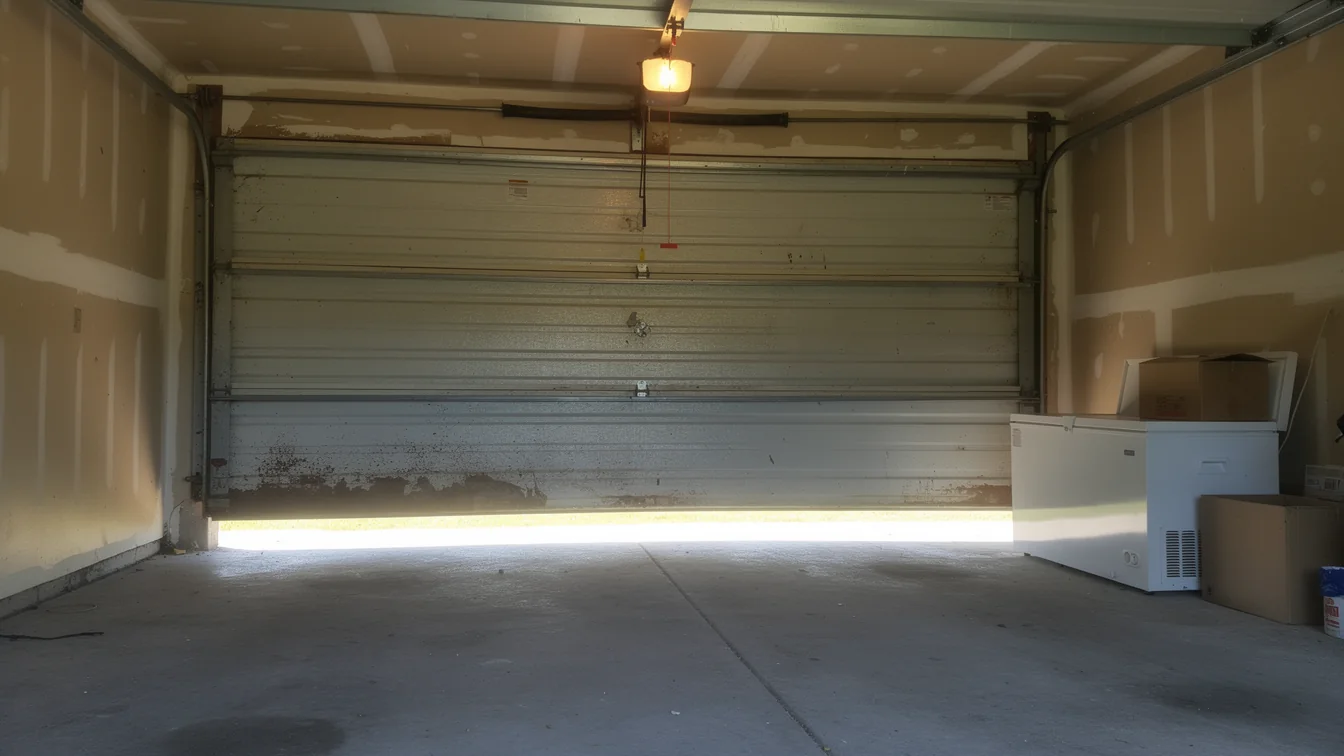
Why Your San Tan Valley Garage Door Was Never Built for This Heat
Most San Tan Valley homes went up between 1990 and 2004, before garage doors were built to any insulation standard.
Read guide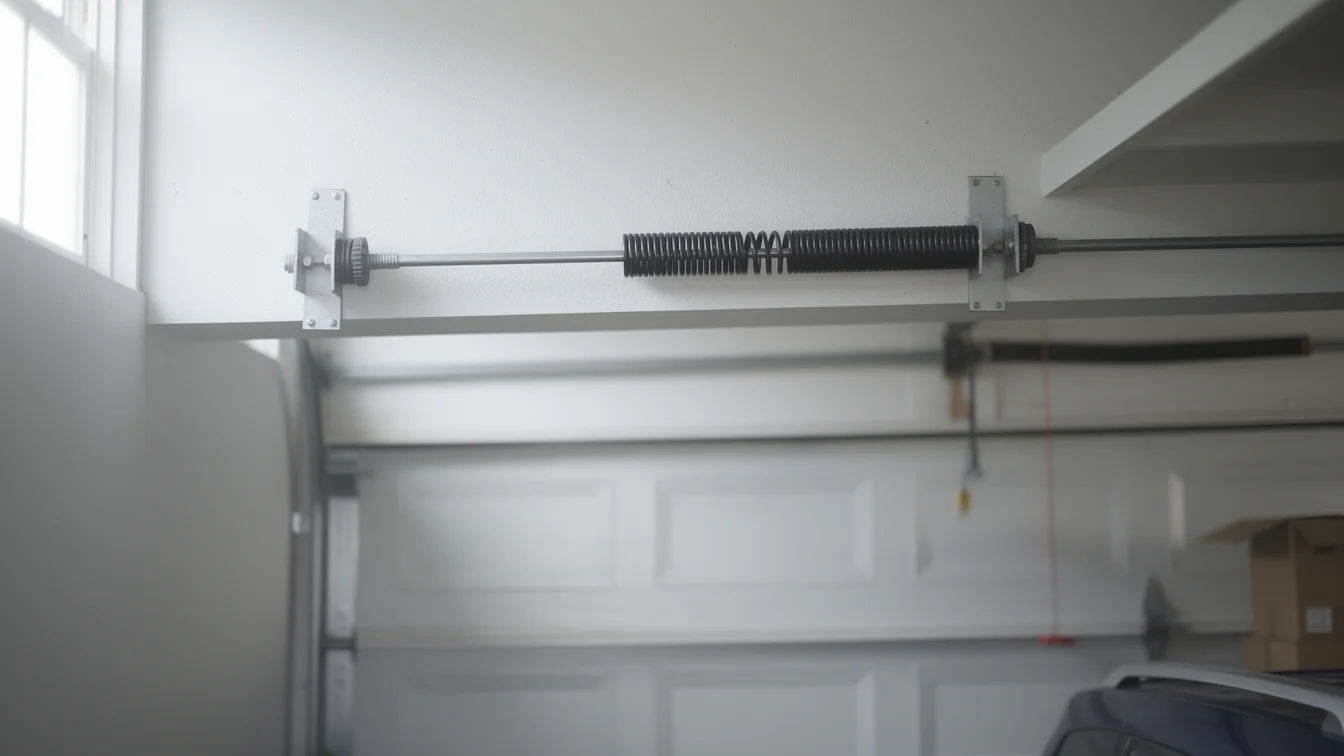
Why Garage Door Springs Fail Early in San Tan Valley
Most San Tan Valley garage doors went up between 1990 and 2004.
Read guide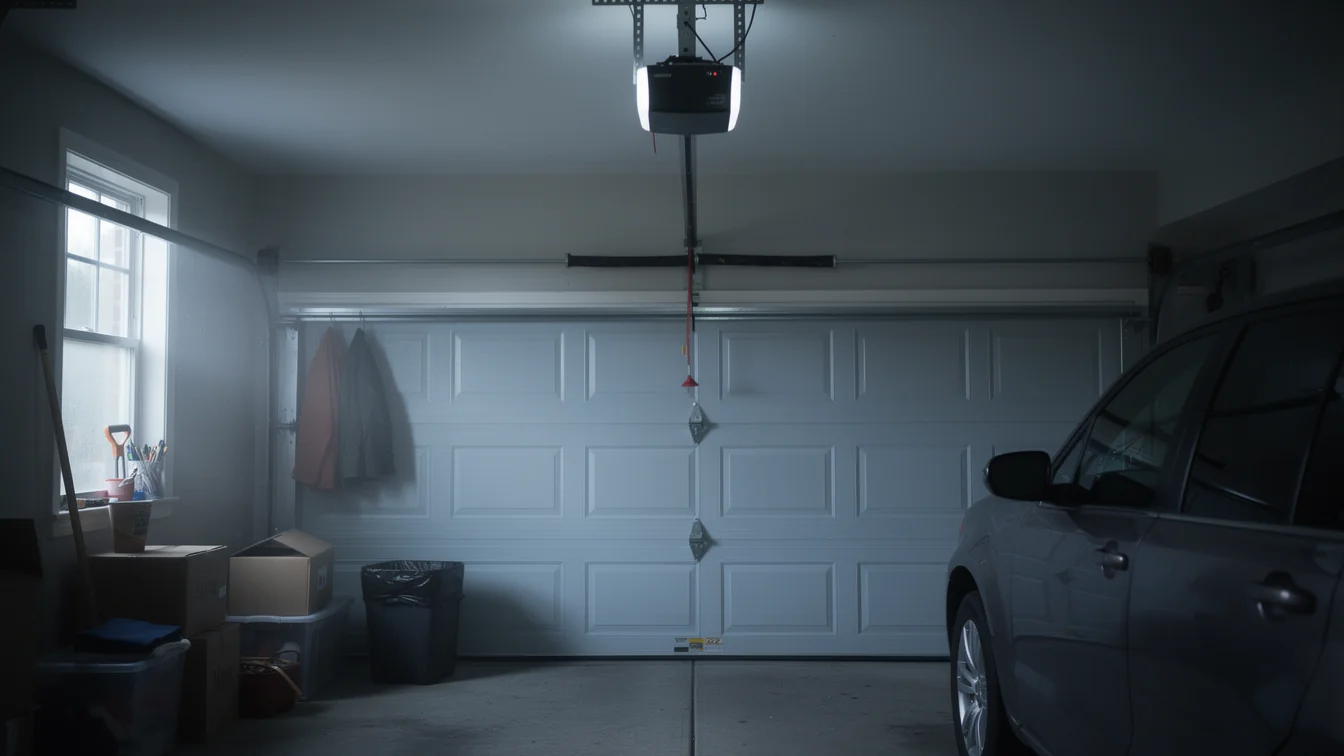
Openers, Power Cuts, and the Houses Built Here Between 1990 and 2004
San Tan Valley homes built 1990-2004 and severe summer heat put real strain on garage door openers during power cuts.
Read guideReady when you are
Need a garage door sorted in San Tan Valley?
San Tan Valley Garage Door Pros repairs and installs garage doors, springs and openers in San Tan Valley, AZ and the surrounding area.