
Blog
Why Your San Tan Valley Garage Door Was Never Built for This Heat
Most San Tan Valley homes went up between 1990 and 2004, before garage doors were built to any insulation standard. Here's what that means for your door in this heat.
The Situation
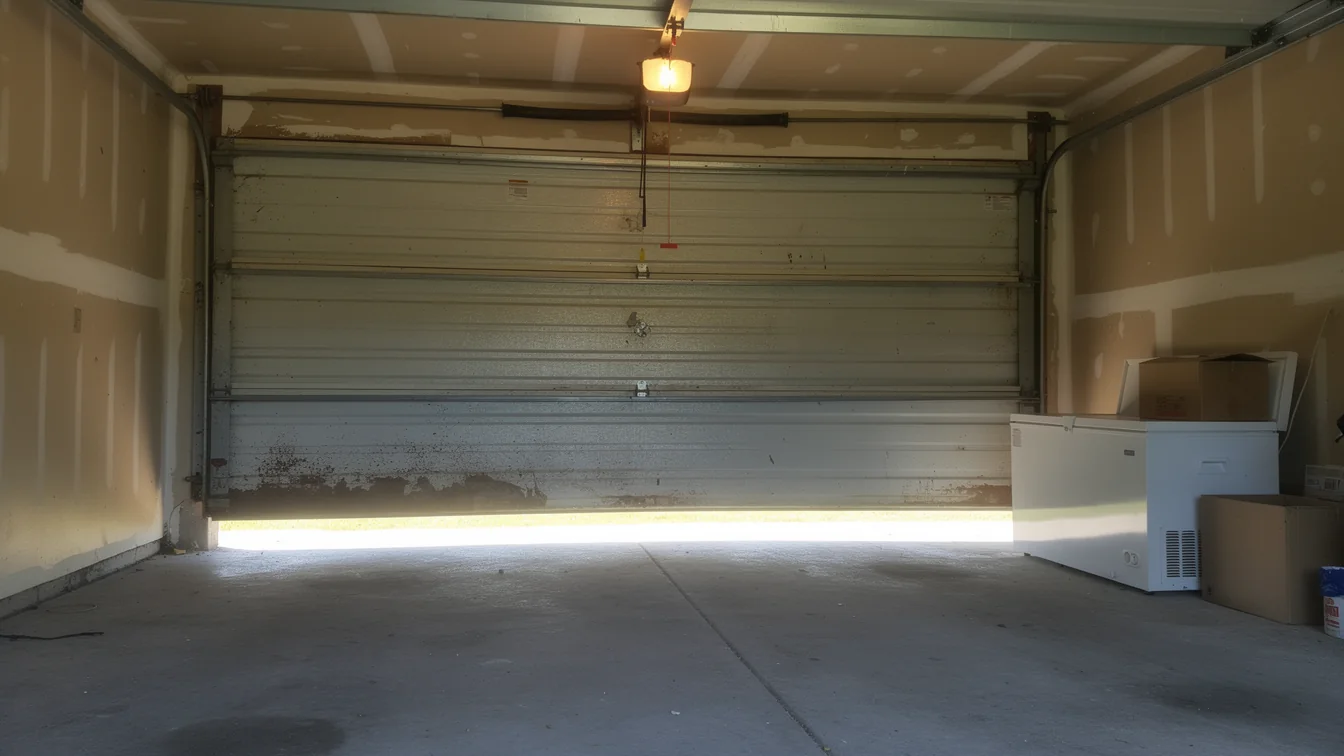
Walk through San Tan Valley and you're mostly looking at houses built between 1990 and 2004, with the median landing right around 1996. Add in the older pockets - the 1980s and 90s stock scattered across six named areas of the valley - and you've got a housing base that predates when garage door manufacturers started building insulation into standard residential doors as a matter of course. That matters because a garage door isn't just a moving panel, it's part of your building envelope. A door made in 1996 was built to open and close reliably and hold up to wind load. Nobody was thinking about R-value on a garage door back then, because nobody was asking for it. So the door you've got is likely a single-layer steel skin over nothing, and it's been doing that job for close to thirty years in a climate that doesn't let up.
What to Look At First
Start with the panel itself. If you can press on it and feel it flex, or if you can hear outside noise clearly through a closed door, you've got an uninsulated or thin single-layer door - standard for the era this neighborhood was built in. Check the bottom seal next: original 1990s-era vinyl astragal seals have usually hardened and cracked by now, and that gap lets conditioned air out and dust and heat straight in. Look at the springs too. A torsion spring rated for a lighter, uninsulated door won't necessarily carry a heavier insulated replacement without adjustment, so if you're thinking about upgrading, the spring and opener both come into the conversation, not just the door. None of this is an emergency-level finding on its own. It's a pattern you'd expect to see on a door this age in this area, and worth knowing before summer really sets in.
How Local Conditions Play In
This is a severe heat climate, and an uninsulated garage door built before insulation rules were standard does exactly what you'd expect it to do here: it lets the garage become close to outdoor temperature, which means anything stored in there - and the wall shared with the house - is carrying that heat load into your living space. If your garage sits on the attached side of the house, which most of this housing stock does, that steel door is functioning as a heat panel most of the day. Steel also expands and contracts with the kind of daily swing this area sees, and on an original door with thirty years of cycles on it, that's where you start seeing track misalignment and panel seams working loose. None of this is unique to one street - it's the same door, in the same housing era, doing the same thing across Johnson Ranch, San Tan Heights, Copper Basin, and the rest of this stretch between Florence and Apache Junction.
Leaving It Alone
You don't have to replace a door just because it's original to a house built in the 90s. Plenty of these doors are still structurally sound and will run fine for years with a new bottom seal, fresh rollers, and a spring check. Where it stops making sense to keep patching is when the panel's already flexing, the seal's beyond re-sealing, and you're running the AC harder every summer because of it - at that point you're paying twice, once in comfort and once in the electric bill. We won't tell you to replace a door that doesn't need it. But we also won't pretend an original 1996 steel door is doing you any favors in this heat just because it still opens and closes.
Questions
Common questions
Is my garage door original to the house if it was built in the 90s?
A lot of them are, especially across the older 1980s-90s pockets of San Tan Valley. Original doors from that era were built as single-layer steel with no insulation, since insulated residential doors weren't standard yet. If the door still has its original hardware and seal, it's likely original to the build.
Does an uninsulated door really matter in a hot climate like this?
Yes. An uninsulated steel door absorbs outdoor heat directly and passes a good share of it into the garage and the shared wall. In a severe heat climate, that raises garage temperatures significantly and puts extra load on the HVAC system cooling the rest of the house.
Should I replace the spring if I upgrade to an insulated door?
Usually, yes. A heavier insulated door needs a torsion spring rated for that added weight. A spring sized for a lighter original 1990s door won't balance a heavier replacement correctly, which shortens the life of the opener and the spring itself.
Recommendation
You Might Also Like
More garage door guides for San Tan Valley homeowners.
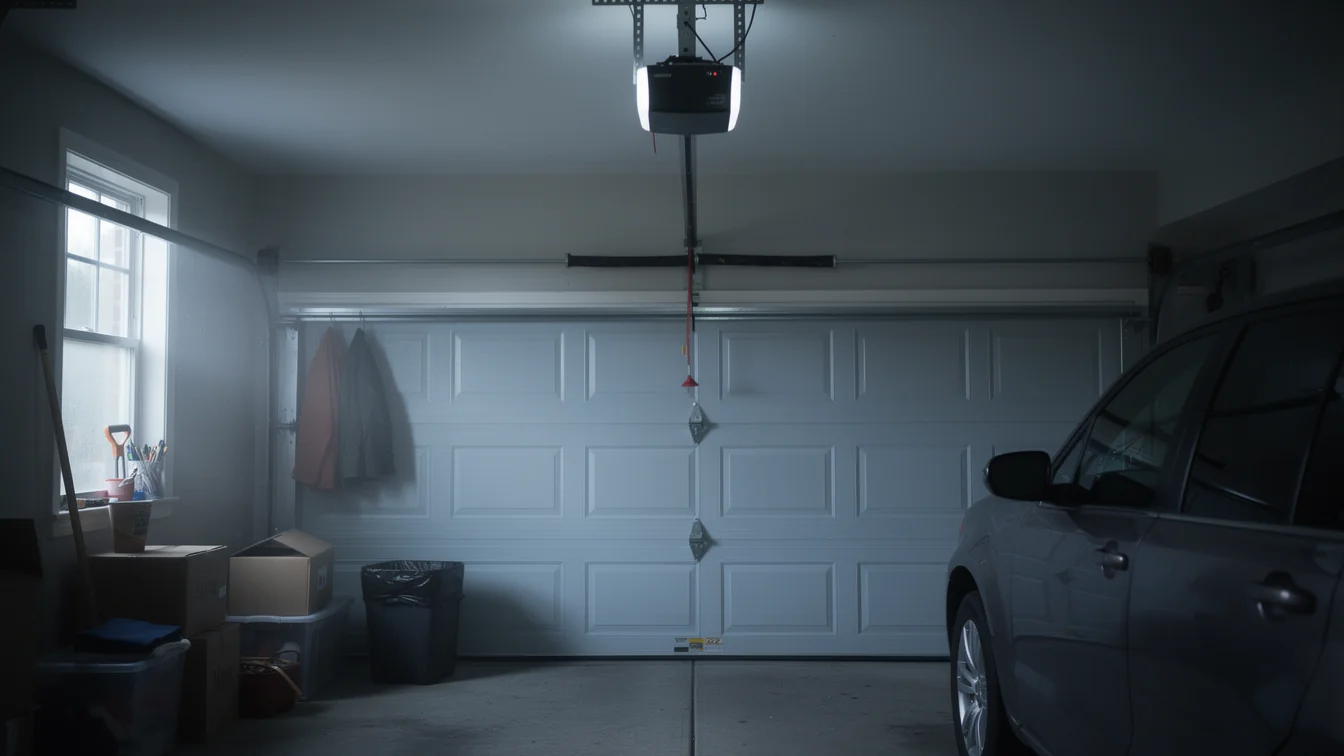
Openers, Power Cuts, and the Houses Built Here Between 1990 and 2004
San Tan Valley homes built 1990-2004 and severe summer heat put real strain on garage door openers during power cuts.
Read guide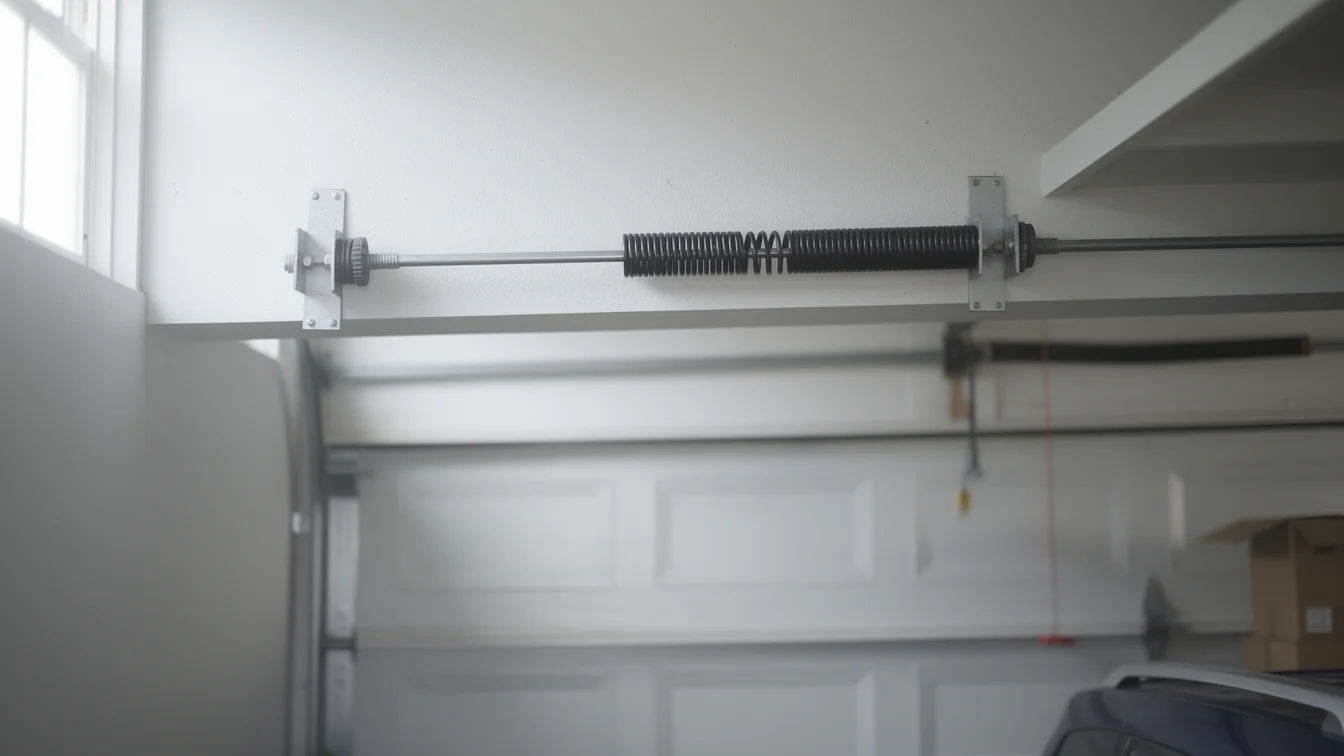
Why Garage Door Springs Fail Early in San Tan Valley
Most San Tan Valley garage doors went up between 1990 and 2004.
Read guide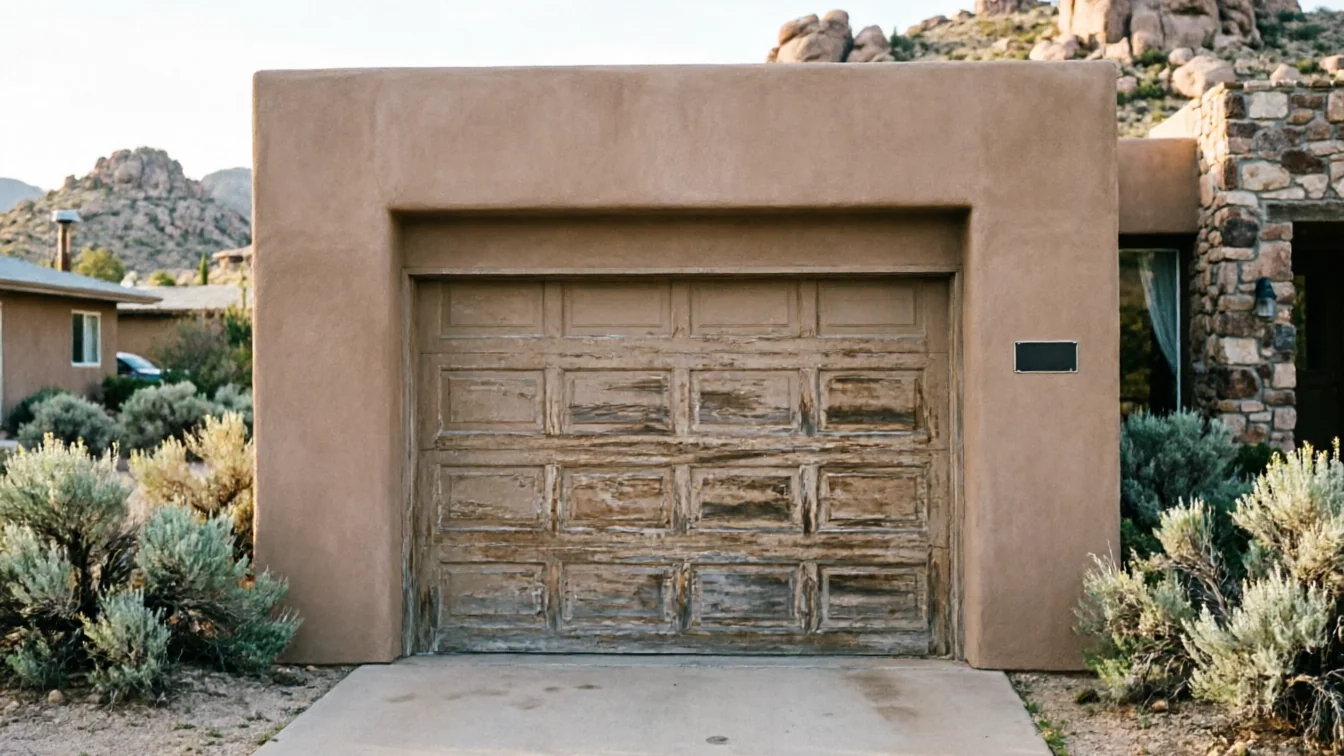
Is Your Older Garage Door Worth Fixing or Replacing
Most San Tan Valley homes date to the 1990s and early 2000s.
Read guideReady when you are
Need a garage door sorted in San Tan Valley?
San Tan Valley Garage Door Pros repairs and installs garage doors, springs and openers in San Tan Valley, AZ and the surrounding area.