
Blog
Openers, Power Cuts, and the Houses Built Here Between 1990 and 2004
San Tan Valley homes built 1990-2004 and severe summer heat put real strain on garage door openers during power cuts. Here's what actually matters for this housing stock.
The Situation
Most houses in this part of San Tan Valley went up between 1990 and 2004, with a median build year around 1996. That means the openers in a lot of garages here are either original units pushing past their expected service life, or first-generation replacements installed sometime in the 2000s. Neither generation was built with battery backup as standard. When the power drops - and in a grid stretched by severe summer heat, it does - a door with no backup just sits there, dead weight on the track, whether it was mid-cycle or parked shut.
That's the real issue people call us about. Not a broken spring, not a bent track - just a door that won't move because the power went out and there's nothing behind the opener to pick up the slack. If you're in Johnson Ranch or San Tan Heights, both minutes from the center of town, you're looking at the same build era and the same exposure. Further out toward Florence or Coolidge the stock skews similar, 1980s-90s construction, so the same gap applies.
What to Look At First
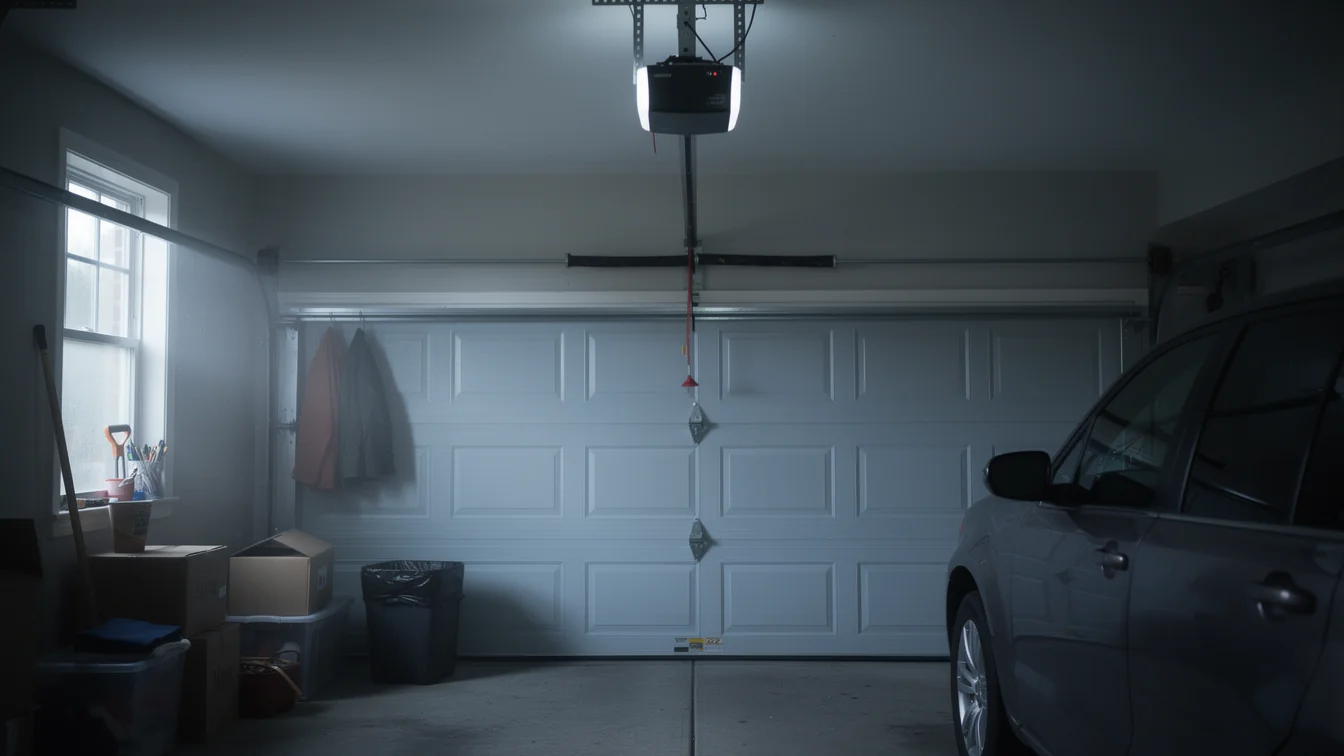
Before anything else, find out if your opener has a battery backup unit wired in. Look for a small box mounted near the opener head, usually with its own status light. If it's not there, your opener runs purely off house current, and a power cut means a manual pull-cord release is your only way in or out until the power's back.
Next, check the manual release itself - the red cord hanging from the trolley. In houses built in this window, that cord is often original and can be brittle or seized from heat exposure over two decades of Arizona summers. Pull it gently, don't yank. If it doesn't release cleanly, that's worth a service call on its own, separate from any power issue.
Last, if you do have a backup battery, check the manufacture date on it. These batteries degrade faster in sustained high heat than the spec sheet assumes, and a battery that tests fine in March can fail by August. We don't carry every battery model for every opener era - if yours is a less common brand, expect a short lead time on the part.
How Local Conditions Play In
Severe summer heat here does two things to openers that milder climates don't deal with as much. First, it shortens the life of backup batteries and capacitors inside the opener logic board - heat is the main thing that ages electronics faster than their rated years. Second, extended heat events are exactly when the regional grid is under the most load, which is when power cuts are most likely. Those two facts line up badly: the hottest stretches of the year are when your opener's backup is most likely to be weak and most likely to be needed.
With 28,167 owner-occupied houses across this service area and most of that stock dating to the 1990-2004 build window, a large share of local garages share the same opener generation and the same backup gap. It's not a one-off problem in one subdivision - it's a pattern tied to when this area was built out, from the core of San Tan Valley through Copper Basin a few miles southeast and Anthem at Merrill Ranch further out.
Leaving It Alone
Here's the honest part: if your opener has run fine for years with no backup and you rarely lose power for more than a few minutes, you don't need to replace a working unit just because it lacks a battery. A battery backup add-on is a reasonable upgrade, not an emergency. Where it stops being optional is if you depend on the garage as your main entry, or if anyone in the house can't use the manual release cord without help - in that case, losing power means losing access, and that's worth fixing before summer, not during it.
We don't push a new opener on every call. If the motor and drive are sound and the only gap is backup power, adding a battery unit is usually cheaper and faster than a full replacement, and for most houses in this build era, that's the right call.
Questions
Common questions
Does my garage door opener need a battery backup in San Tan Valley?
Not required, but worth having if you rely on the garage as a main entry or if summer power cuts are a recurring issue for your block. Given how many houses here were built between 1990 and 2004 without backup as standard, it's a common gap, not a defect - just an upgrade most original installs skipped.
Why does my backup battery die faster here than the manual says?
Sustained severe heat ages battery chemistry and circuit boards faster than mild climates do. A battery rated for several years of standby can weaken in two or three summers here. Checking the manufacture date each spring, before the heat sets in, catches most failures before they become a locked-out garage.
What do I do if the power goes out and my door won't open?
Use the manual release cord hanging from the trolley on the track - pull it down and toward the motor to disconnect the door from the opener, then lift by hand. If the cord is stiff or won't release, don't force it; that's a sign the release mechanism itself needs service.
Recommendation
You Might Also Like
More garage door guides for San Tan Valley homeowners.
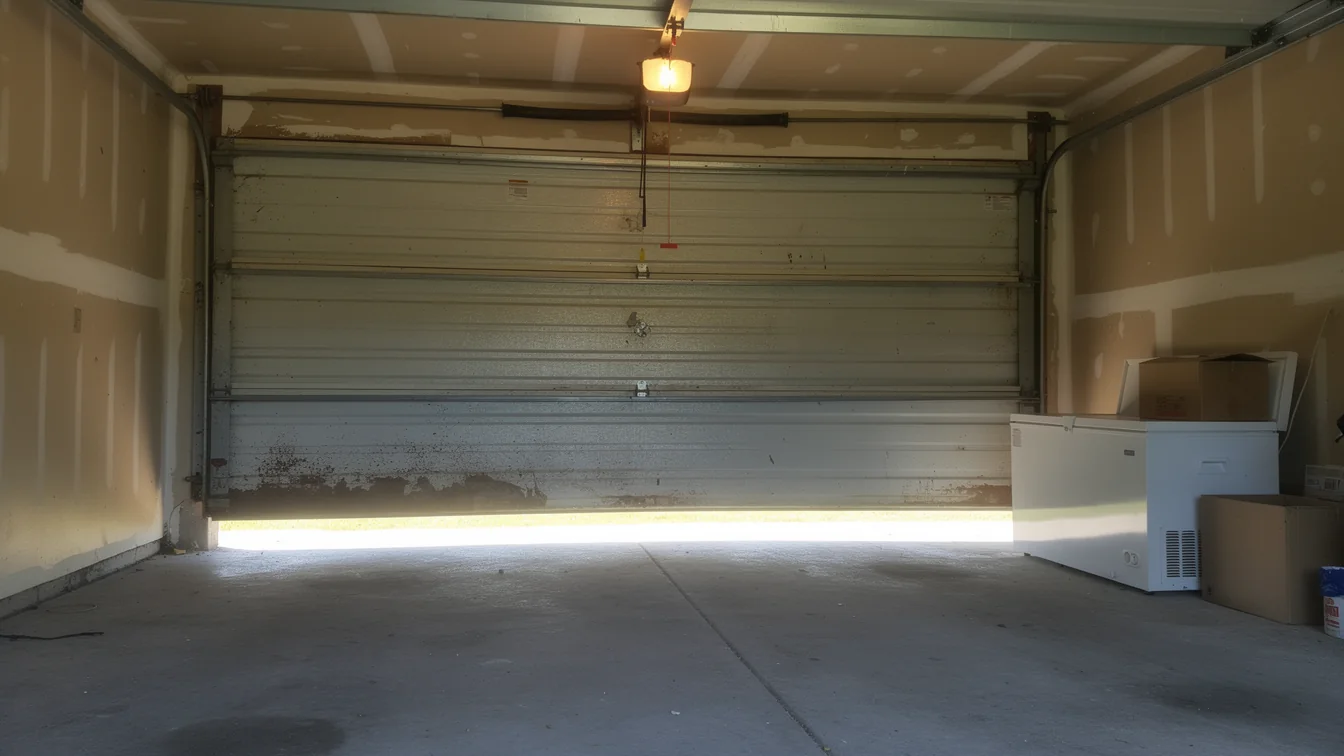
Why Your San Tan Valley Garage Door Was Never Built for This Heat
Most San Tan Valley homes went up between 1990 and 2004, before garage doors were built to any insulation standard.
Read guide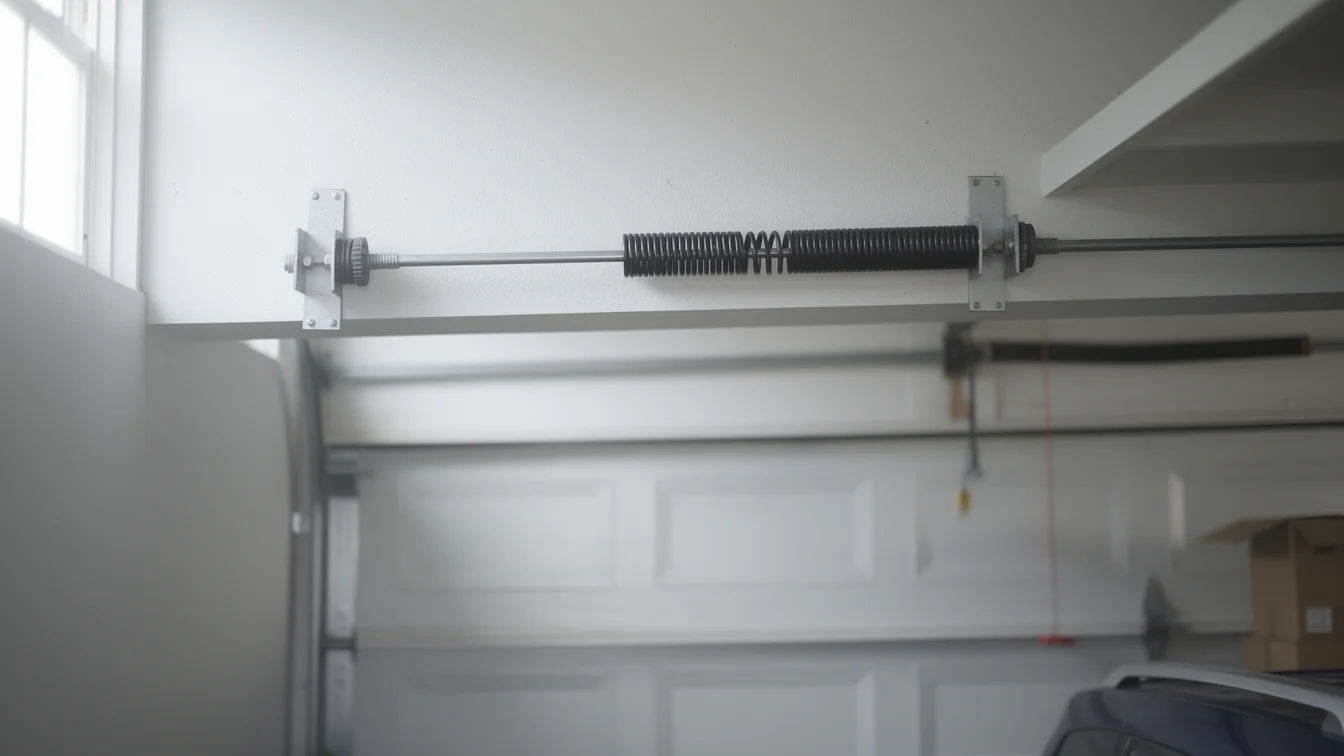
Why Garage Door Springs Fail Early in San Tan Valley
Most San Tan Valley garage doors went up between 1990 and 2004.
Read guide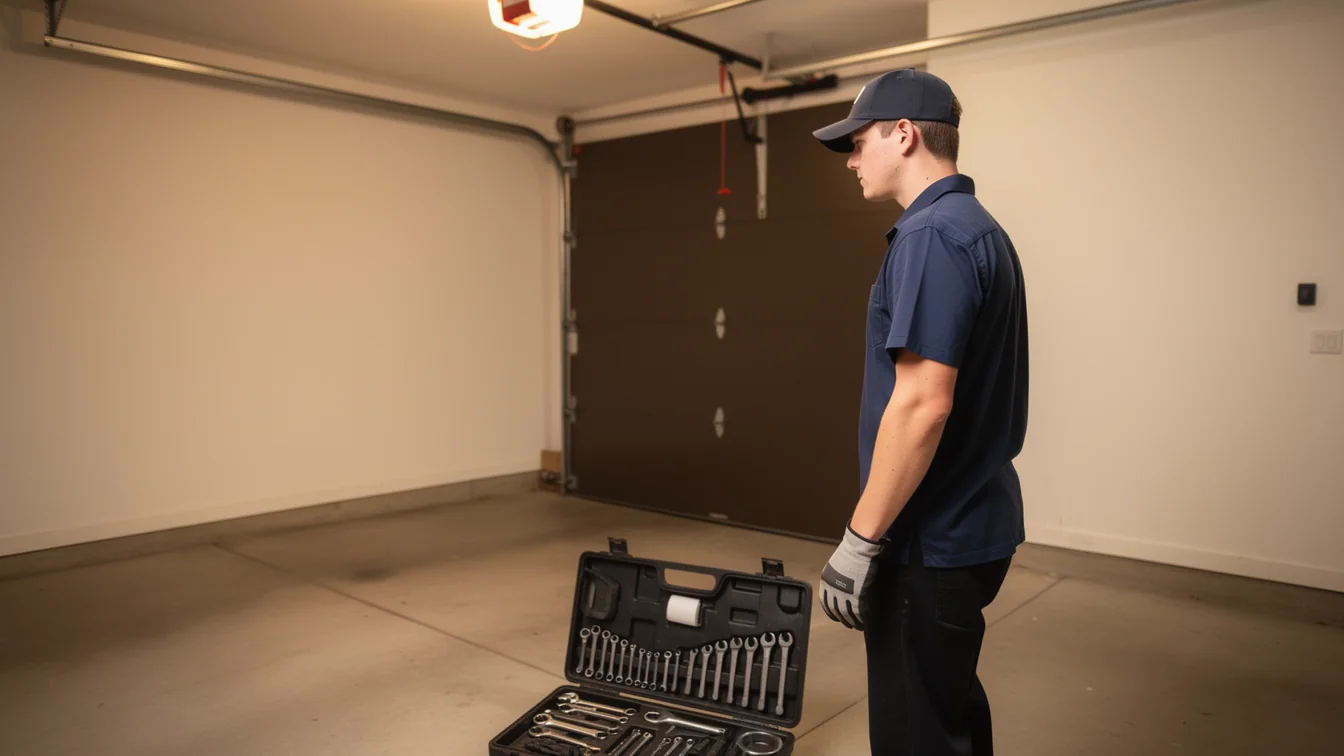
What a Service Call Actually Covers in San Tan Valley
A San Tan Valley garage door service call covers more than the noisy part.
Read guideReady when you are
Need a garage door sorted in San Tan Valley?
San Tan Valley Garage Door Pros repairs and installs garage doors, springs and openers in San Tan Valley, AZ and the surrounding area.